Smart Eyewear and the Future of Myopia Management
By Ryan Ho, Optometrist & Founder, Asia Contacts 1
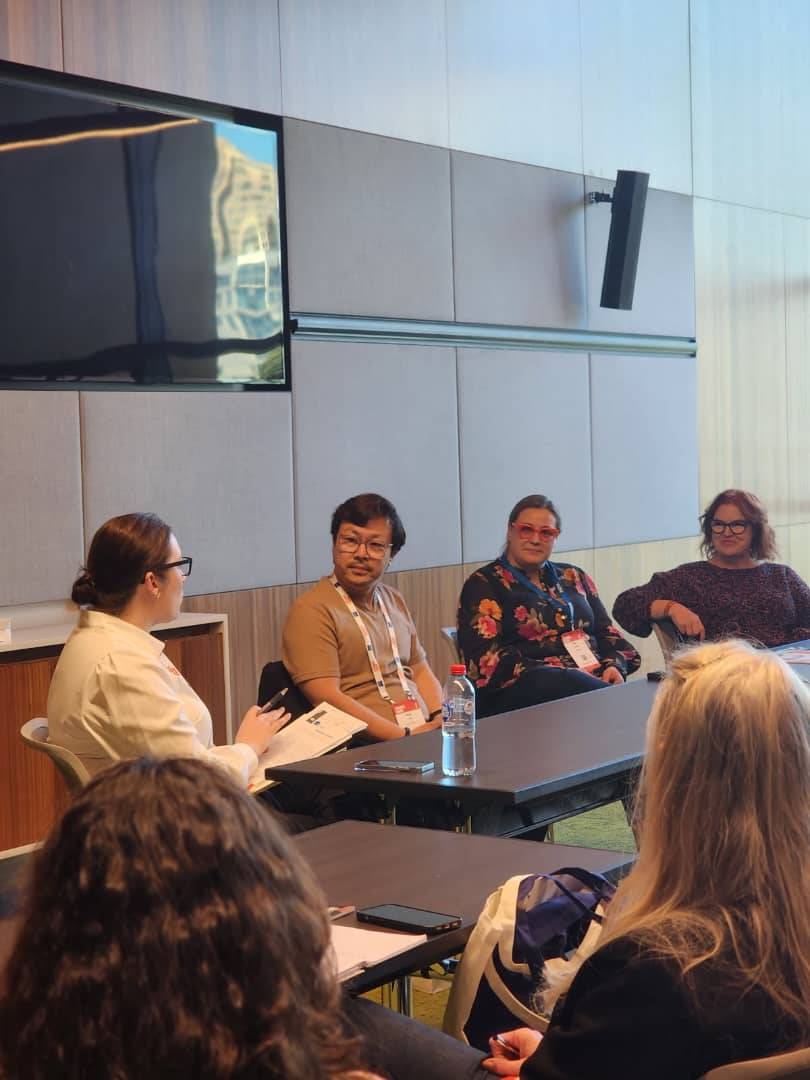
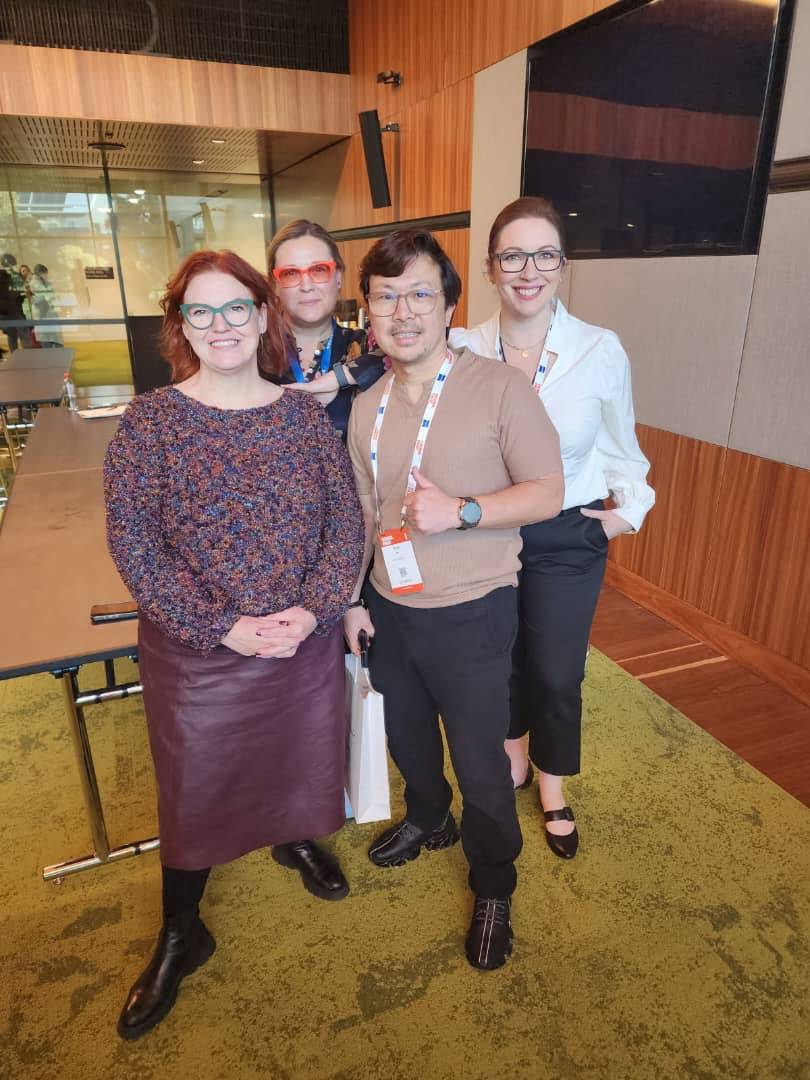
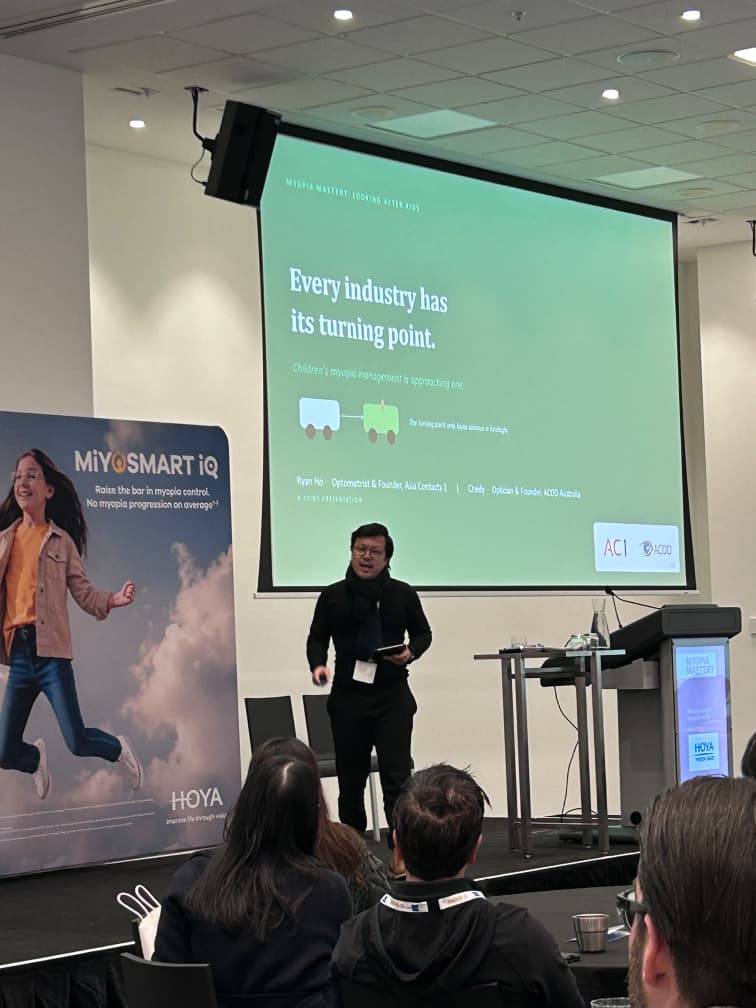
In 2025, I was invited to a small industry discussion in Australia ODMA 2025 in Sydney to share my perspective on smart eyewear and how it may shape the future of optical practice.
It was an intimate session of around 20–30 people, which gave us the opportunity to have a more open discussion about where eyewear, technology and clinical care may eventually come together.
One example I shared was LIPO Aster.
What interests me most about smart eyewear is not simply putting technology into a frame. It is the ability to collect useful behavioural information that may help the optometrist understand how a child is actually using their eyewear in everyday life.
For example, smart eyewear can potentially provide information such as:
- how many hours the spectacles are being worn;
- how much time the child spends indoors versus outdoors;
- viewing and posture habits; and
- other lifestyle behaviours relevant to myopia management.
For clinicians, that information could be extremely valuable.
Instead of asking a parent, “Is your child wearing the glasses regularly?” we may eventually be able to have a much more objective conversation based on real usage data.
This is particularly relevant in myopia management because compliance matters. Current clinical guidance encourages children to wear their myopic correction consistently, while research into myopia-control treatments has also shown that treatment effectiveness can be influenced by wearing time.
If a child is only wearing their myopia-control spectacles for a few hours each day, behavioural data may allow the optometrist to identify that early and explain to the parents why more consistent wear may be important.
The same applies to outdoor activity.
We already know that increased outdoor time is associated with a lower risk of developing myopia, so being able to better understand a child's indoor and outdoor behaviour could make those conversations with parents much more meaningful.
From Myopia Control to Earlier Intervention
What I find particularly exciting is where this technology may eventually lead.
Today, much of myopia management begins after myopia has already developed and axial elongation has started.
But the industry is increasingly exploring whether we can identify at-risk children earlier and intervene before significant progression occurs.
Research is already looking at smart-frame monitoring together with optical interventions in pre-myopic children, including studies where wearing time is recorded directly by the frame.
To me, that raises an interesting possibility:
Could smart eyewear eventually become part of preventive myopia care rather than only myopia control?
We are not fully there yet, but I believe this is an area worth watching.
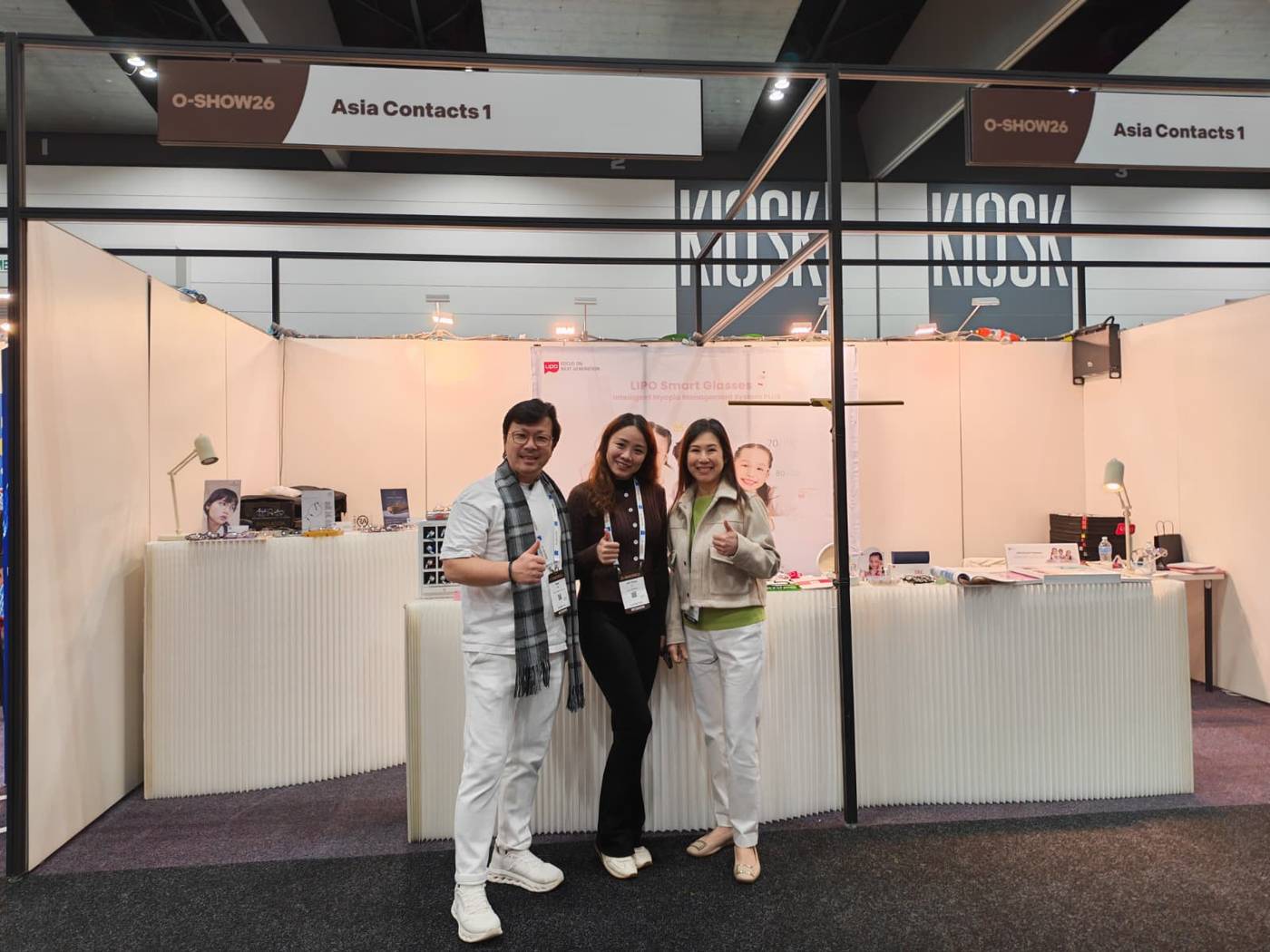
Through LIPO and Asia Contacts 1, our focus has always been strongly connected to children's eyewear, proper fit and myopia management.
Smart eyewear such as Aster represents the next layer of that thinking — combining the physical fit of the frame with information about how the child actually lives and uses their eyewear.
For me, that is where technology becomes genuinely useful.
Not replacing the optometrist.
But giving the optometrist better information to educate the parents, encourage better habits and hopefully intervene earlier.